What Are Primers & Undercoats?
Quick Answer (Featured Snippet Optimised)
A primer prepares a surface for painting by sealing it and improving paint adhesion, while an undercoat builds opacity and provides a smooth, even base for the topcoat.
Primer vs Undercoat — What’s the Difference?
- Primer:
- Seals porous surfaces (e.g. new plaster)
- Improves adhesion
- Prevents peeling and patchy finishes
- Undercoat:
- Adds opacity (coverage)
- Smooths the surface
- Helps achieve a consistent final colour
👉 Many modern Dulux products combine both functions for efficiency.
Why Use Dulux Primers & Undercoats?
- Professional finish – smoother topcoat application
- Improved durability – paint lasts longer
- Better coverage – fewer topcoat layers required
- Surface protection – seals stains, moisture, and imperfections
👉 Skipping this stage often leads to poor finish, uneven colour, and reduced lifespan.
Dulux Primer & Undercoat Types
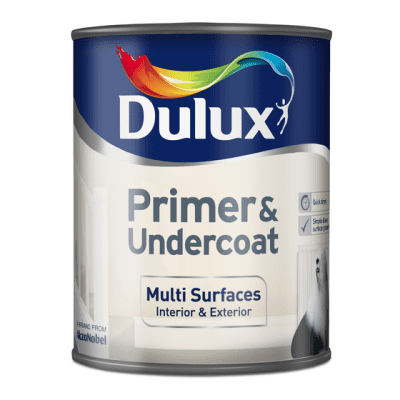
1. Multi-Surface Primers
Ideal for:
- Walls, ceilings, wood, and previously painted surfaces
Benefits:
- Versatile use
- Saves time
- Suitable for most decorating jobs
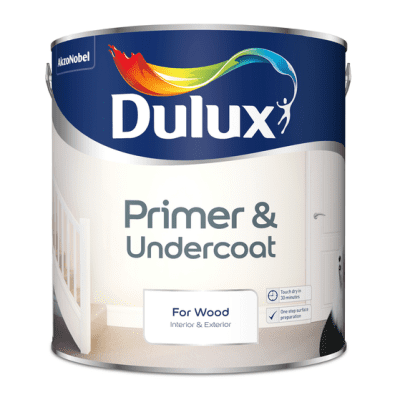
2. Wood Primers & Undercoats
Ideal for:
- Interior and exterior wood
Benefits:
- Enhances topcoat adhesion
- Prevents tannin bleed
- Smooth finish for gloss or satin paints
3. Metal Primers
Ideal for:
- Steel, iron, and metal surfaces
Benefits:
- Prevents rust
- Improves paint bonding
- Extends lifespan of coatings
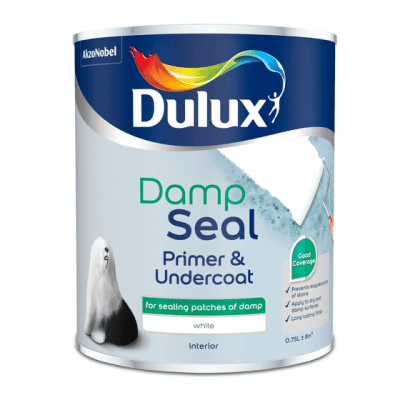
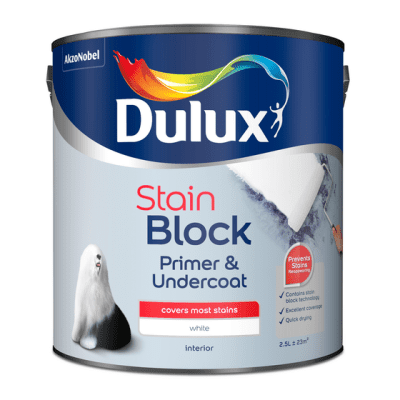
4. Stain Block Primers
Ideal for:
- Water stains, smoke damage, nicotine marks
Benefits:
- Stops stains bleeding through
- Provides clean base for repainting
5. Trade vs Retail Dulux
- Dulux Trade:
- Higher pigment levels
- Better coverage
- Designed for professionals
- Dulux Retail:
- Easy to use
- Ideal for DIY projects
👉 At Masseys, we can help you choose the right option for your job.
How to Choose the Right Primer or Undercoat
Consider:
- Surface type: plaster, wood, metal
- Condition: new, bare, or previously painted
- Environment: interior vs exterior
- Finish required: smoothness and durability
Quick Guide
| Surface Type |
Recommended Product Type |
| New plaster |
Primer sealer |
| Wood |
Wood primer + undercoat |
| Metal |
Metal primer |
| Previously painted |
Adhesion primer or undercoat |
Dulux Primers vs Skipping Preparation
| Without Primer |
With Dulux Primer |
| Patchy finish |
Even colour |
| Poor adhesion |
Strong paint bonding |
| More coats needed |
Better coverage |
| Short lifespan |
Long-lasting finish |
👉 Proper preparation saves time, money, and rework.
Who Is This For?
Ideal For:
- Homeowners decorating interiors or exteriors
- DIY users wanting a professional finish
- Trade decorators and contractors
- Renovation and refurbishment projects
Not Ideal For:
- Quick touch-ups where no prep is needed
- Temporary or low-priority finishes
Why Buy Dulux Primers & Undercoats from Masseys?
- Expert advice on surface preparation
- Help choosing the right Dulux system
- Stock of trusted brands and products
- Support for both DIY and trade customers
FAQs
Do I need a primer before painting?
Yes, especially on new or bare surfaces. It improves adhesion and finish quality.
What’s the difference between primer and undercoat?
Primer prepares the surface; undercoat improves coverage and smoothness.
Can I use primer and undercoat together?
Yes—many Dulux products combine both functions.
Do I need primer on previously painted walls?
Only if the surface is damaged, stained, or difficult to paint over.
How many coats of primer should I use?
Usually one coat is sufficient, depending on the surface.
Is Dulux Trade better than standard Dulux?
Dulux Trade offers higher coverage and durability, especially for professional use.